
Training the mind to rebalance stress
A Padua study reveals the link between cognitive stimulation and stress hormones in older adults with cognitive decline
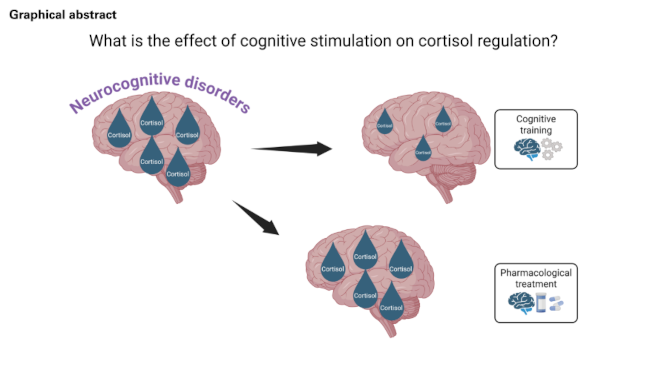
A new study led by Maria Devita from the Department of General Psychology at the University of Padua, in collaboration with the Geriatric Clinic of the Department of Medicine directed by Prof. Giuseppe Sergi, and the University of Urbino, Prof. Michela Sarlo, has found that cognitive training can positively influence stress hormone regulation in older adults with mild cognitive impairment or mild-to-moderate neurocognitive disorders. Published in the Journal of Gerontology: Psychological Sciences, the study examined the circadian rhythm of cortisol—a key marker of the hypothalamic-pituitary-adrenal (HPA) axis, which plays a central role in the body’s stress response. Older adults experiencing cognitive decline often showdisrupted cortisol patterns, such as unusually high levels upon waking or in the afternoon — signs of chronic stress system dysregulation. After a period of intensive cognitive stimulation, participants showed a significant drop in cortisol levels, especially in the afternoon, along with improved cognitive performance, particularly in executive functions and working memory. These findings suggest that engaging in mentally stimulating activities not only strengthens brain circuits involved in cognition but can also modulate neuroendocrine mechanisms, boosting the body’s physiological resilience to stress. Researchers believe these benefits may stem from enhanced neural plasticity and a restoration of healthy circadian rhythms, which together improve mood balance and everyday cognitive efficiency. This study highlights an emerging field in the neuropsychology of aging — the intricate connection between cognitive function and hormonal regulation — and paves the way for integrated, non-pharmacological interventions that combine cognitive stimulation, biological monitoring, and wellbeing-focused approaches.
Article Link: https://pubmed.ncbi.nlm.nih.gov/41507065/